Brick: A Unique Color Font for Creative Design
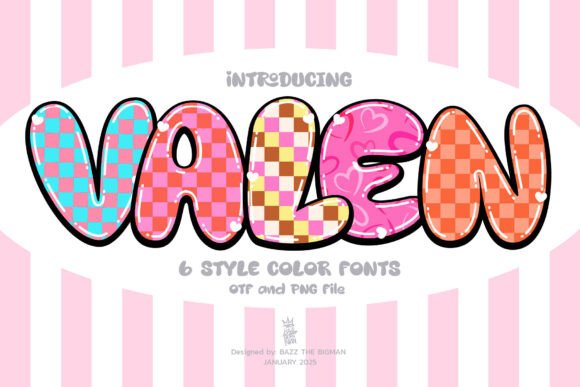
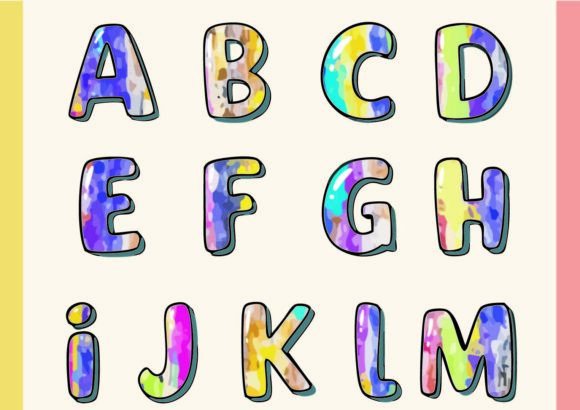
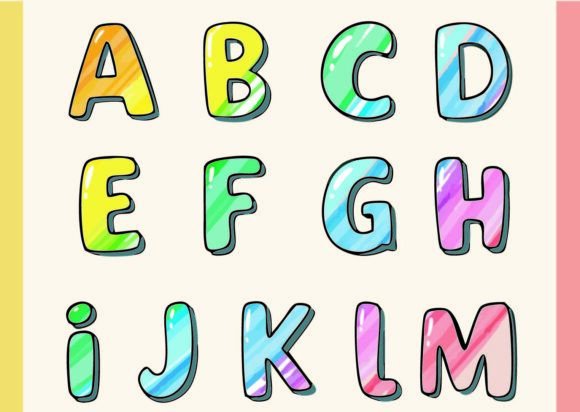
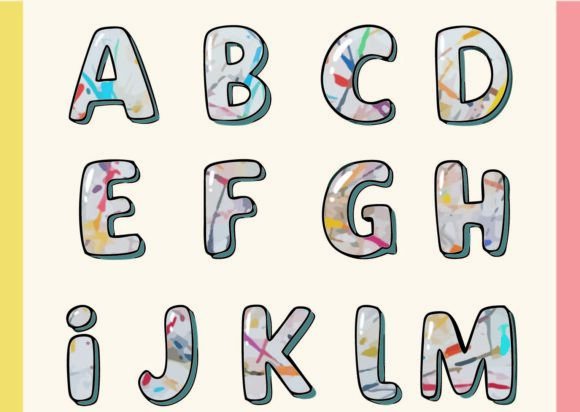
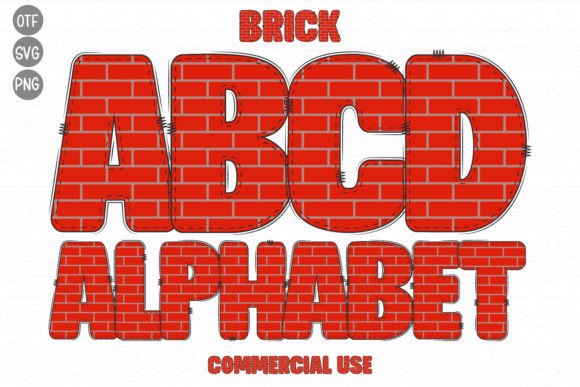
Imagine a typeface that doesn't just spell out words but tells a story through its very texture. Brick is a color font featuring an authentic brick skin texture, offering designers a powerful tool for projects that demand natural charm and visual depth. This isn't your average font; it's a creative asset designed to add instant character and a tactile quality to any visual communication.
Understanding the Visual Impact of a Textured Font
In modern graphic design, typography is a cornerstone of visual hierarchy and brand identity. While clean sans-serifs and elegant serifs have their place, a textured font like Brick serves a distinct purpose. It immediately evokes specific themes—nature, construction, rusticity, and childhood play. For designers, this means you can convey a complex idea or mood with a single word, strengthening the overall narrative of your design without relying heavily on additional imagery.
Practical Applications for the Brick Font
The true value of a creative asset lies in its versatility. Brick is perfectly suited for a range of projects where a natural, organic, or playful aesthetic is desired.
Branding and Logo Design
For brands in the outdoor, gardening, DIY, or children's education sectors, a logo using the Brick font can instantly communicate core values. It helps build a memorable brand identity that feels grounded and approachable.
Marketing and Social Media Graphics
Capture attention in a crowded digital space. Use Brick for headline text on social media posts, email banners, or promotional graphics to create a strong visual anchor. Its unique texture stops the scroll and makes your message stand out.
Editorial and Packaging Design
In editorial layouts, Brick can be used for pull quotes or chapter titles in nature-themed publications. For packaging design, especially for artisanal goods, craft materials, or children's products, it adds a layer of authenticity and visual interest that enhances the unboxing experience.
Digital Products and Web Design
When used judiciously, a textured font can enhance user engagement. Consider Brick for hero section headings on a website for a nature retreat, or for the title screen of a child-friendly app. It contributes to a cohesive user experience when the theme is consistent.
Integrating Textured Typography into Your Design Workflow
Using a specialized font like Brick effectively requires thoughtful application. Here are key considerations for your design workflow:
- Purpose and Audience: Always align your font choice with the project's goal and the target audience's expectations. Brick excels in specific contexts; using it for a corporate financial report would likely create a mismatch.
- Readability and Scalability: Textured fonts work best at larger sizes for headlines, logos, or short phrases. Ensure the text remains legible at the intended scale, especially for UI design elements.
- Color Palette and Composition: The brick texture will interact with your chosen color palette. Test it against various backgrounds to ensure sufficient contrast and visual harmony. It pairs well with earthy tones, greens, and sky blues for a nature-themed design.
- Visual Hierarchy: Use Brick as a focal point. Balance its strong visual weight with simpler, complementary fonts for body text to maintain a clean and professional presentation.
Elevating Creative Projects with Quality Assets
Thoughtful design choices are what separate good work from great work. Selecting a high-quality, thematic creative asset like the Brick color font demonstrates an attention to detail that resonates with viewers. It allows you to build a more immersive and emotionally engaging visual world, whether for a client's brand identity, a personal creative project, or a digital marketing campaign. By investing in versatile and impactful design resources, you streamline your process and elevate the final result, ensuring your work communicates with clarity and style.